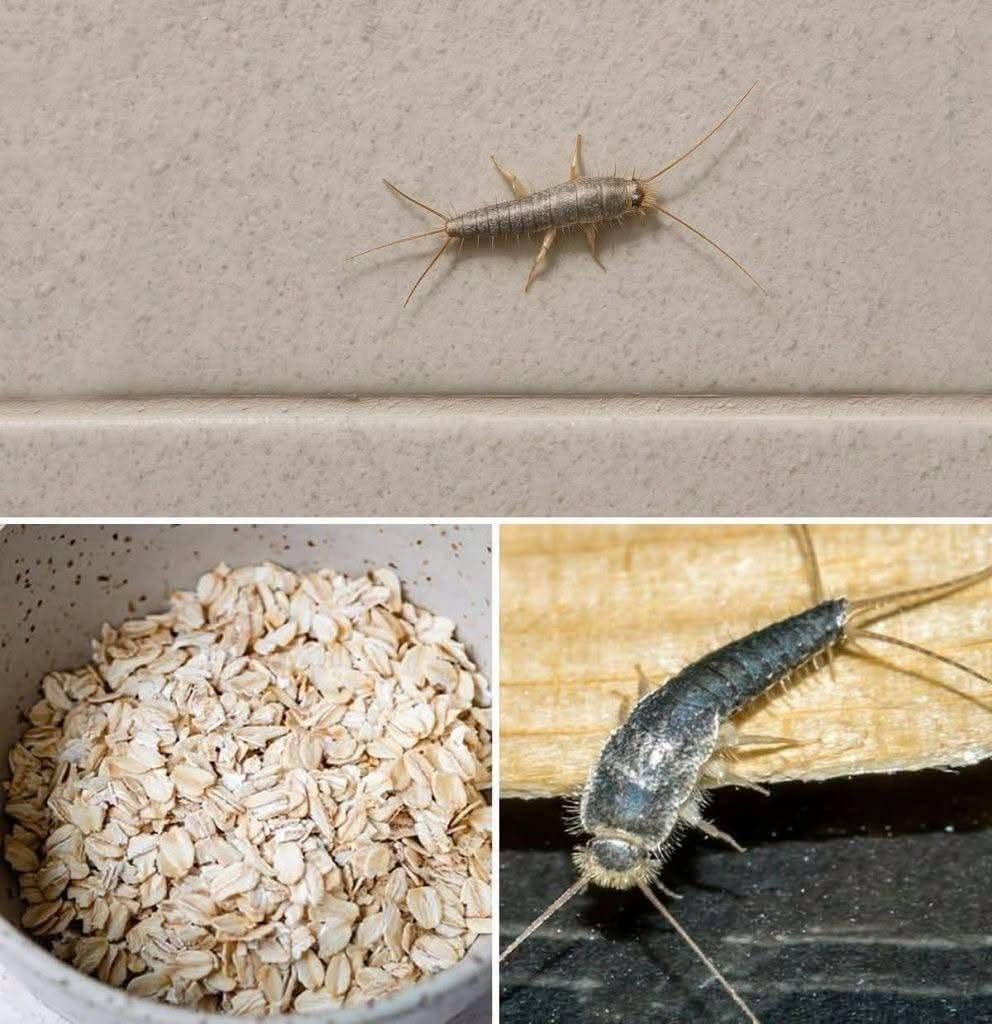
Paper
Book bindings
Wallpaper paste
Cardboard
Fabrics containing natural fibers
Oatmeal, flour, cereals, and other dry foods
Because of these feeding habits, they can damage books, important documents, wallpaper, and stored pantry items over time.
Are Silverfish Dangerous?
The good news is that silverfish are not considered dangerous to people.
They do not:
Bite humans
Sting
Carry diseases
Inject venom
However, a growing population may become a nuisance by damaging household belongings and signaling moisture problems that could also encourage mold growth.
How to Prevent Silverfish
Experts recommend focusing on eliminating the conditions that attract them rather than simply killing the insects.
Helpful prevention tips include:
Repair leaking pipes and faucets.
Reduce indoor humidity with proper ventilation or a dehumidifier.
Store dry foods in airtight containers.
Remove piles of old newspapers and cardboard.
Vacuum cracks, corners, and baseboards regularly.
Seal gaps around doors, windows, and pipes.
Keep bathrooms and kitchens clean and dry.
When Should You Be Concerned?
Seeing a single silverfish occasionally is usually not a cause for alarm. However, if you notice them frequently or in large numbers, it may be worth checking your home for hidden moisture problems or consulting a pest control professional.
Addressing the underlying cause early can help prevent both insect infestations and potential water damage.
The Bottom Line
Silverfish may look alarming, but they are usually more of a warning sign than a direct threat. Their presence often indicates damp, humid conditions that should be corrected to keep your home healthier and better protected. By controlling moisture and maintaining good housekeeping habits, most homeowners can successfully discourage silverfish from settling indoors.