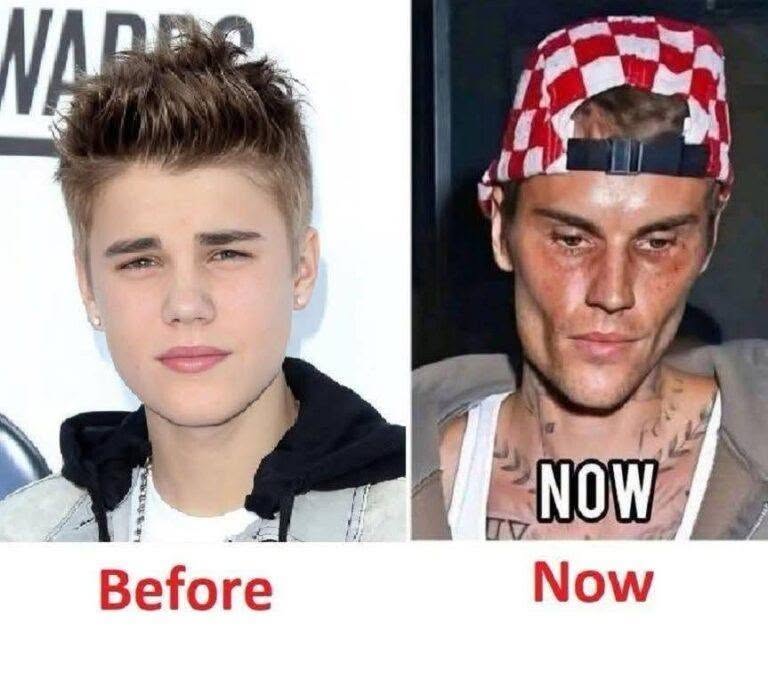
Recent photos of Justin Bieber have sparked concern among fans worldwide, with many noticing that the singer appears thinner and more tired than in previous years. But before we let speculation take over, it is crucial to separate verified facts from internet rumors.
As images of Justin Bieber circulate across social media, speculation quickly follows. Fans who have watched the pop star grow up in the public eye naturally express concern when they notice visible changes in his appearance. However, in the age of viral posts and armchair diagnosing, it is incredibly important to separate verified information from rumors. Photos alone cannot accurately determine someone’s health status, and jumping to conclusions can spread unnecessary panic.
Let us look at what we actually know about Justin Bieber’s health, the invisible toll of global fame, and why we need to approach these conversations with empathy and facts.
Article At a Glance
Focus: Understanding Justin Bieber’s health journey while distinguishing verified information from speculation
Confirmed Health Issue: Ramsay Hunt syndrome, a rare neurological condition disclosed in 2022
Key Contributing Factors: Chronic stress, demanding tour schedules, travel fatigue, and natural aging
Important Reminder: Photos are misleading; lighting, angles, and context dramatically affect appearance
Core Message: Empathy and media literacy matter more than speculation when discussing public figures’ health
Takeaway: Supporting celebrities means respecting their privacy and refusing to participate in harmful rumor-mongering
Why This Topic Matters: Navigating Health Conversations with Compassion
Why This Topic Matters: Navigating Health Conversations with Compassion Photographic& Digital Arts
In an era where celebrity images are scrutinized pixel by pixel, it is easy to forget that public figures are human beings first. When fans notice changes in a beloved artist’s appearance, concern is natural and understandable. But concern without context can quickly become harmful speculation.
This topic matters because it invites us to practice media literacy and emotional intelligence. By learning to distinguish between verified health disclosures and social media assumptions, we protect both our own peace of mind and the dignity of those in the public eye. It also reminds us that health is complex, invisible, and deeply personal—even for those whose lives unfold on camera.
Approaching these conversations with empathy does not mean ignoring legitimate concerns. It means grounding our responses in facts, respecting boundaries, and recognizing that every person deserves the space to heal without judgment.
The Known Health Challenge: Understanding Ramsay Hunt Syndrome Health
One of the most significant health issues Justin Bieber has publicly discussed is Ramsay Hunt syndrome, a rare neurological condition he revealed to the world in 2022.
When Bieber shared a video showing that one side of his face was completely paralyzed, it was a stark reminder that even the biggest stars in the world are vulnerable to serious health issues. The condition is caused by the reactivation of the varicella-zoster virus, the same virus responsible for chickenpox, which affects a facial nerve.
Primary symptoms include temporary facial paralysis, an inability to blink or smile on the affected side, ear pain, and changes in hearing. Beyond these visible signs, Ramsay Hunt syndrome can cause severe fatigue, physical weakness, nerve discomfort, and a lengthy, unpredictable recovery process. For Bieber, this meant postponing multiple tour dates to focus entirely on physical therapy and recovery.
It is important to understand that recovering from a neurological event like Ramsay Hunt syndrome is not just about the face healing. It takes a massive toll on the body’s overall energy reserves. The fatigue associated with nerve recovery can last long after the visible symptoms improve, affecting daily life in ways that are not immediately apparent to observers. Health
The Invisible Toll: How Stress and Fame Affect the Physical Body
Beyond specific health diagnoses, Justin Bieber has spoken openly over the years about his struggles with anxiety, stress, and the immense pressures of global fame. Living under constant public scrutiny, where every photo is analyzed and every mistake is magnified, can profoundly affect both mental and physical well-being.
Medical experts note that chronic stress triggers the release of cortisol, a hormone that can manifest in highly visible physical ways. Stress can suppress appetite in some people or cause metabolic changes that lead to weight fluctuations. High cortisol levels disrupt sleep cycles, leading to dark circles, dull skin, and a generally exhausted appearance. Chronic stress also lowers immunity, making the body more susceptible to minor illnesses that can drain energy. Additionally, constant stress causes physical tension, which can alter posture and facial expressions over time.
While fans often focus on celebrity appearances, it is vital to remember that the physical body keeps the score of mental and emotional stress. What looks like a simple change in appearance may actually reflect months or years of internal struggle. Anxiety& Stress
The Demands of a Relentless Schedule
Many observers have suggested that a demanding lifestyle may also play a major role in Bieber’s changing appearance. The life of a global pop star is not just about singing on stage. It involves years of grueling international touring across multiple time zones, constant travel that disrupts circadian rhythms and immune function, recording projects with irregular hours and intense creative pressure, and business commitments and public appearances that leave little room for genuine rest.
Lack of adequate rest and recovery can lead to visible exhaustion, changes in body composition, and a hollow look that fans often mistake for a severe illness. However, unless Bieber or his medical team provide specific information, any conclusions beyond these publicly known lifestyle factors remain pure speculation.
Separating Fact from Social Media Speculation
Despite rumors circulating online, there is currently no verified evidence that Justin Bieber is suffering from a new life-threatening or critical medical condition beyond the health challenges he has previously discussed.
Many viral posts and social media claims rely on assumptions based solely on photographs. But photos are highly misleading. They do not show lighting and angles, which can make anyone look gaunt or tired under harsh conditions or unflattering camera positions. They do not account for natural aging; Bieber is in his thirties now, and facial fat naturally shifts and decreases as we transition from our twenties to our thirties. They also lack context; a single photo taken after a long flight or a fourteen-hour workday does not reflect a person’s overall health.
It is worth noting that social media algorithms reward sensationalism. Posts claiming dramatic health crises generate clicks and shares, even if they are entirely fabricated. Always look for official statements from the celebrity or their verified representatives before accepting health claims as fact…