Not every stainless steel kettle uses food-grade stainless steel.
Quality kettles are typically manufactured using food-safe stainless steel grades such as SUS304 or SUS316. Lower-grade materials may be less resistant to corrosion and wear, especially after years of frequent heating.
Before buying a kettle, check whether the manufacturer clearly lists:
SUS304 (18/8 stainless steel)
SUS316
Food-grade certification
Reputable brand information
If the material isn’t specified, it’s worth considering a better-quality alternative.
4. Kettles With Persistent Odors or Heavy Mineral Deposits
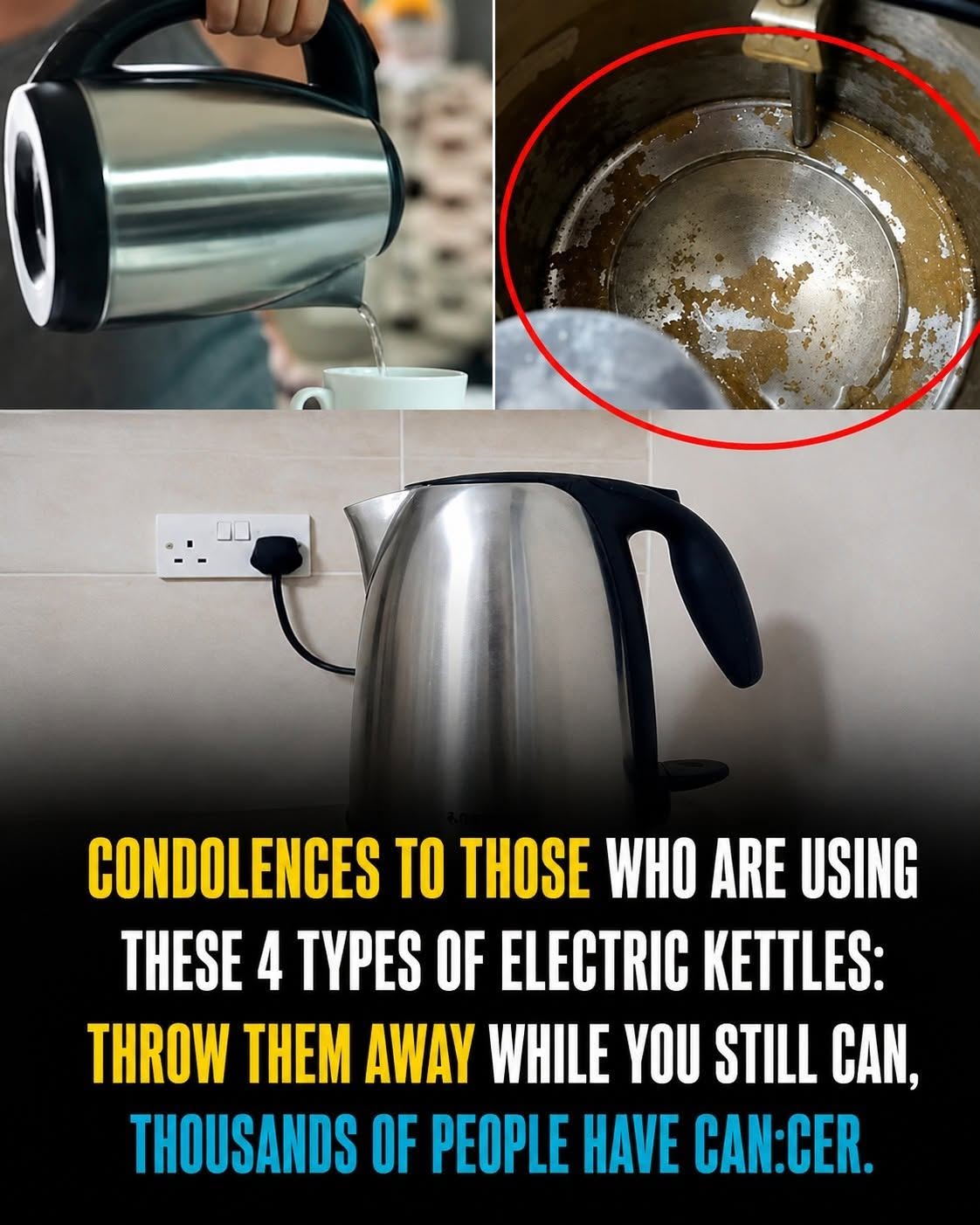
A kettle that produces a burning smell, metallic odor, or develops thick brown or yellow deposits should be inspected.
While mineral scale itself is common in hard-water areas, excessive buildup can reduce heating efficiency and may trap bacteria or food residue if the kettle isn’t cleaned regularly.
Clean your kettle every few weeks using appropriate descaling methods and replace it if unusual odors continue even after thorough cleaning.
Tips for Choosing a Safer Electric Kettle
To reduce potential health risks:
Choose food-grade stainless steel kettles.
Avoid extremely cheap, unbranded products.
Clean mineral deposits regularly.
Replace kettles that rust, peel, crack, or smell unusual.
Never continue using a kettle with damaged interior surfaces.
Final Thoughts
Electric kettles remain one of the safest and most convenient kitchen appliances when they are made from quality materials and maintained properly. Rather than worrying about every kettle, focus on regular inspection and timely replacement of worn or damaged units.
Small changes today—such as choosing a well-made kettle and keeping it clean—can help ensure that every cup of hot water you drink is as safe as possible.